Science
A First-Class Physics degree gave me an instinct for systems, constraints and evidence. I still use that mental model when looking at organisations.
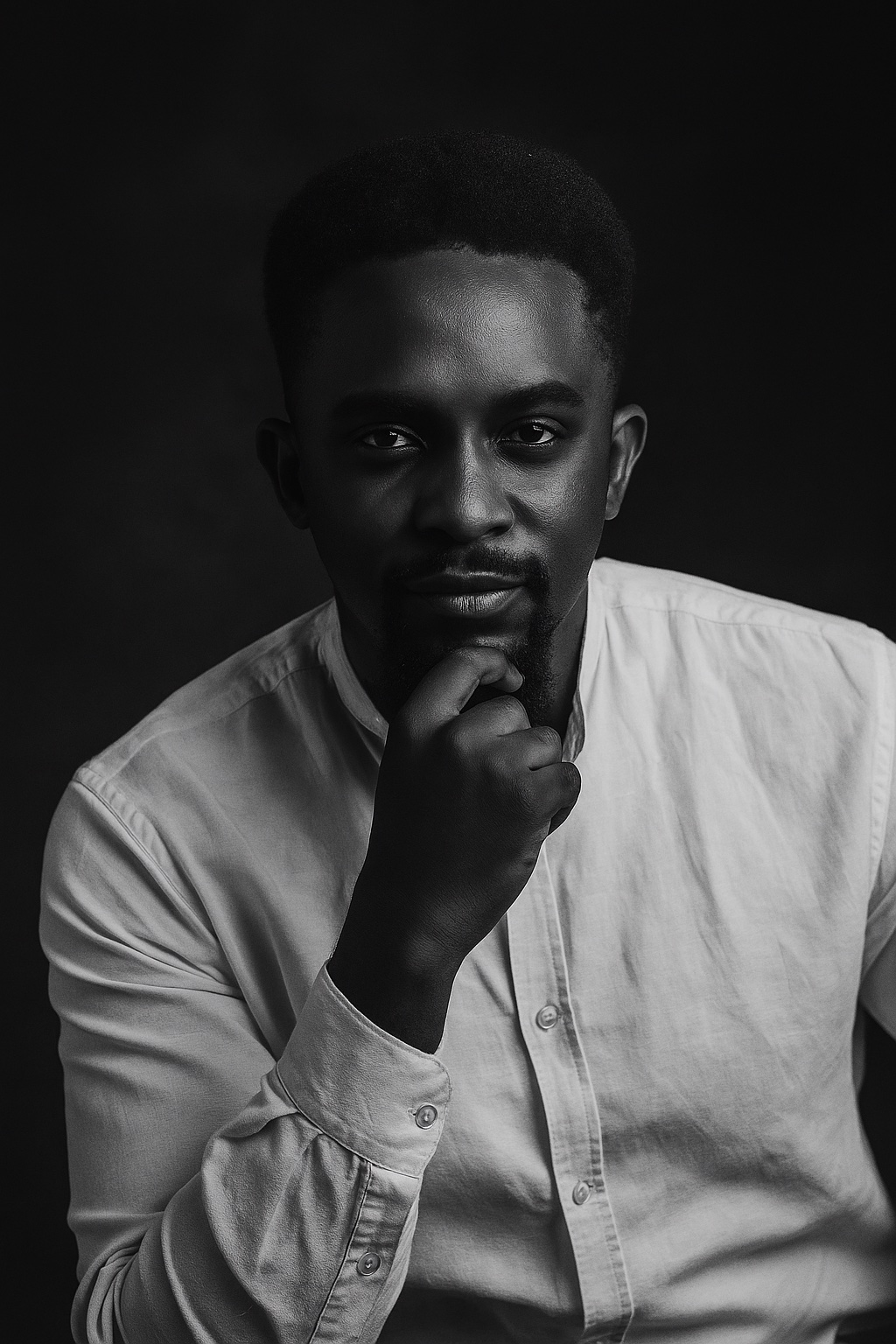
I’m Anthony — a strategist, operator, entrepreneur and occasional TEDx speaker. My career has moved through science, technology, design, business building and institutions. The thread underneath it has stayed surprisingly consistent: I like understanding how things work, where they break, and what would make them work better.
The route here
I studied Physics and graduated with First Class Honours. Science trained me to think in relationships: inputs and outputs, constraints, systems, cause and effect. I was interested in why a system behaved the way it did — not just what happened on the surface.
Then business made that curiosity practical. Entrepreneurship exposed me to the messier systems: people, customers, cash, processes, technology, incentives and founders trying to hold too much in their heads.
I moved through operations, technology, design and business building before the pattern became obvious. The work I kept returning to was the work between the idea and the outcome: diagnosing what is actually wrong, creating structure, and helping people execute.
A First-Class Physics degree gave me an instinct for systems, constraints and evidence. I still use that mental model when looking at organisations.
I co-founded Boltzmenn and helped build ventures including Outhbox/MIDBOL. Entrepreneurship made strategy concrete: somebody still has to hire, sell, deliver, measure and fix what breaks.
My work now also sits inside an international education environment in Equatorial Guinea, adding institutional context to years spent around founders and SMEs.
A little more human
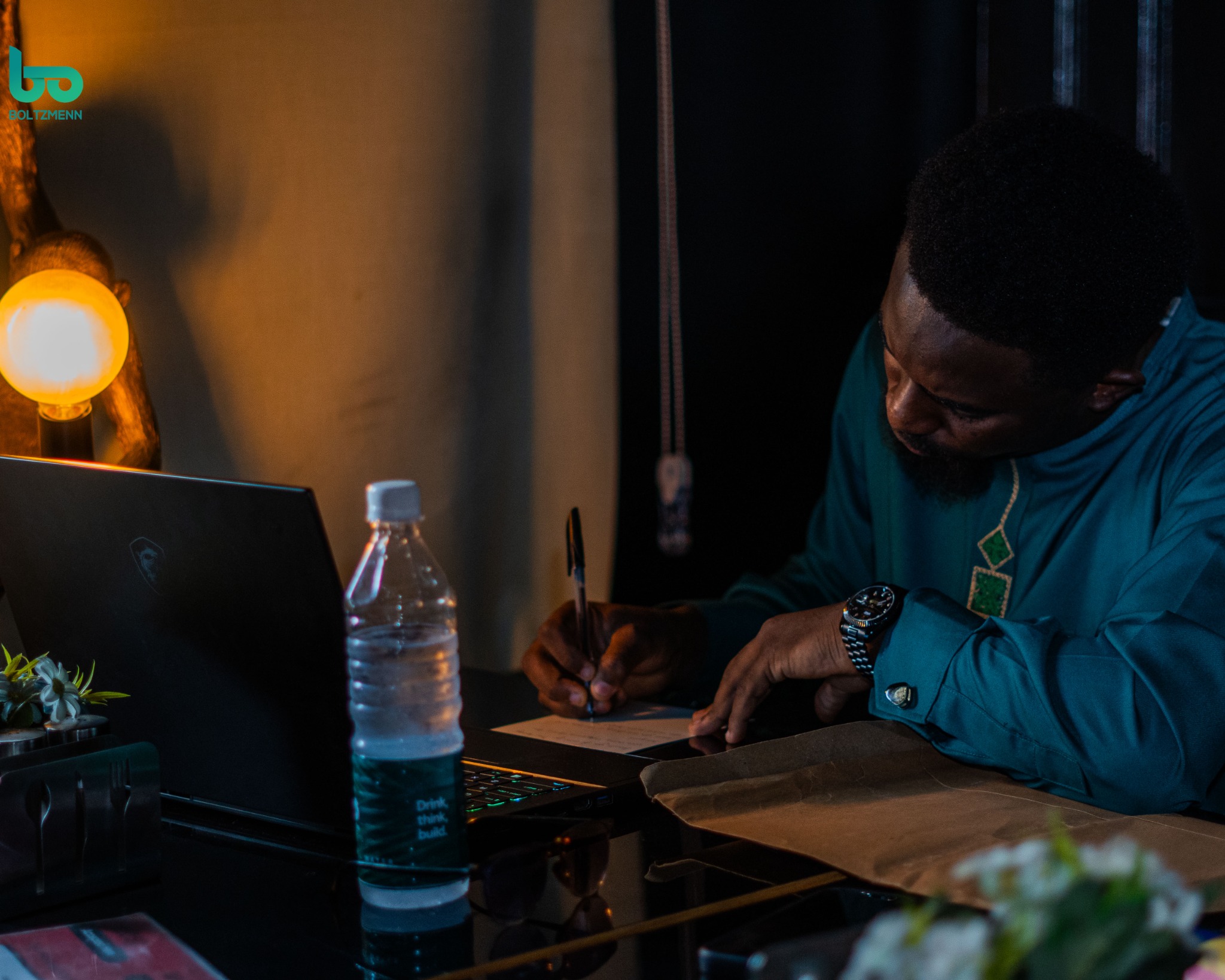
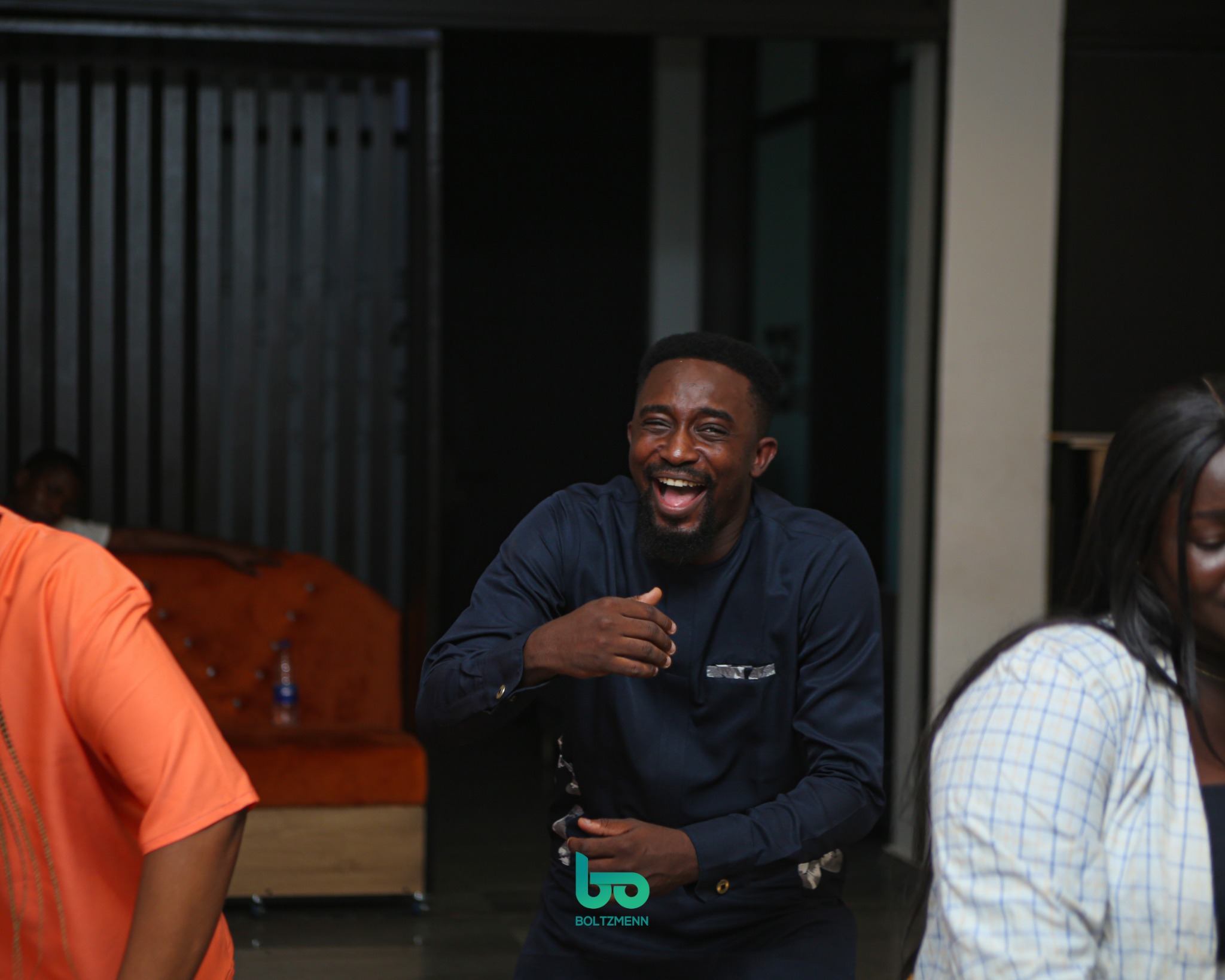
I like difficult questions, good design, photography, football, science fiction, technology and conversations that go somewhere. I’m comfortable moving between a whiteboard, a spreadsheet, a camera and a room full of people — as long as the work has a point.
That range can look unusual on paper. I’ve learned not to make the range the story. The story is what it has taught me to do: see problems from more than one angle and connect strategy to the reality of execution.
Ideas in public
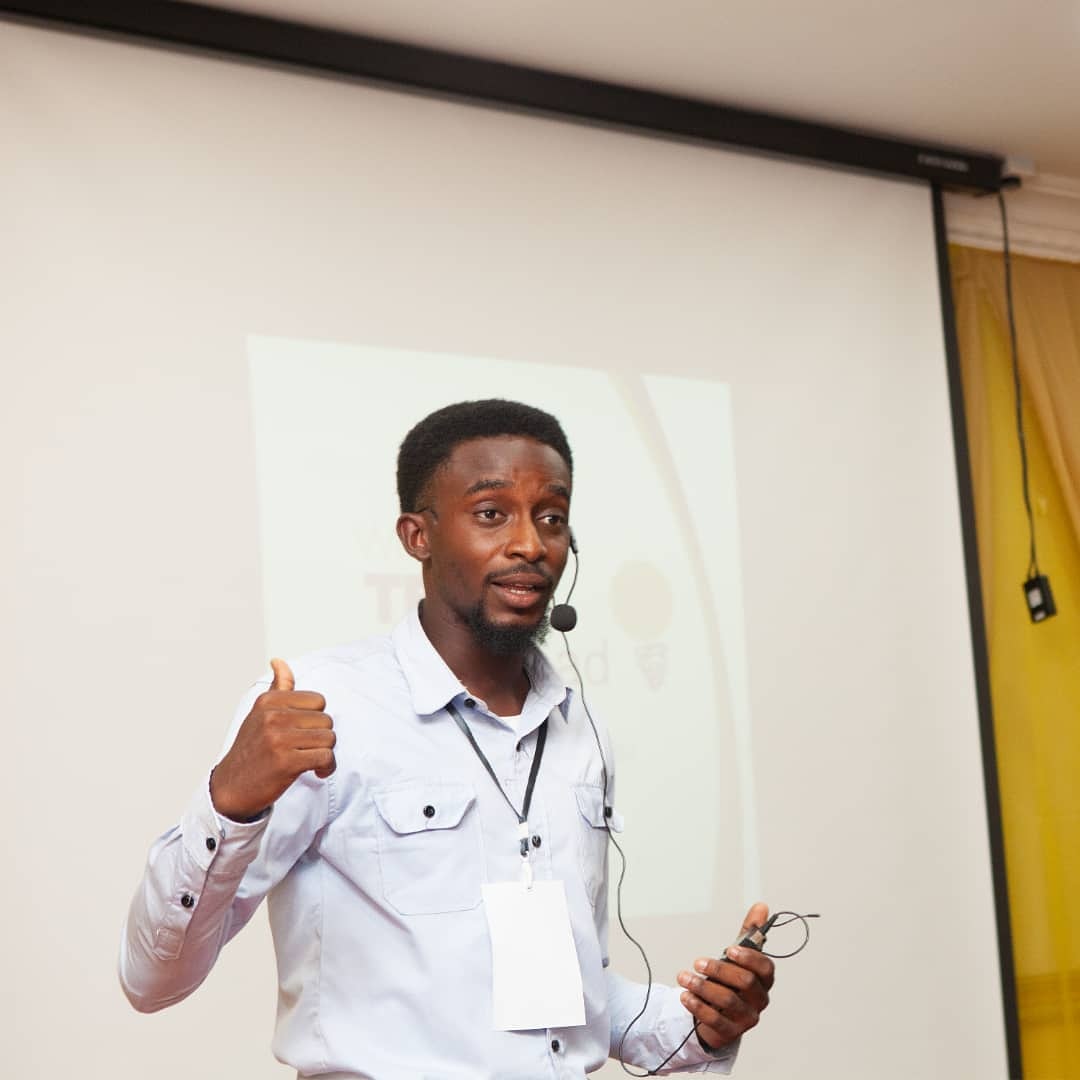
I have spoken on a TEDx stage and worked behind one as a curator. Those experiences sharpened something I value in strategy too: if an idea cannot be made clear enough for people to understand and act on, it is not finished.
Before strategy became the headline
Design and communications were an early professional language: identity, customer perception, presentation and the discipline of making an idea legible. Work around GMH Luxury, MUUD Studios and independent brand projects belongs in the story because it explains part of how I now approach positioning and execution.
Later, operations pushed the lens in the opposite direction — from what customers see to the systems underneath it. The combination is more useful to me than either side on its own.


How I tend to work
The visible symptom is rarely the whole problem.
A recommendation that cannot survive contact with the organisation is incomplete.
Good work should reduce dependence on the person who came in to fix it.
The fastest way to become formulaic is to assume you already know what you are looking at.